Monolithic Construction Technology - Tunnel Formwork - Technology
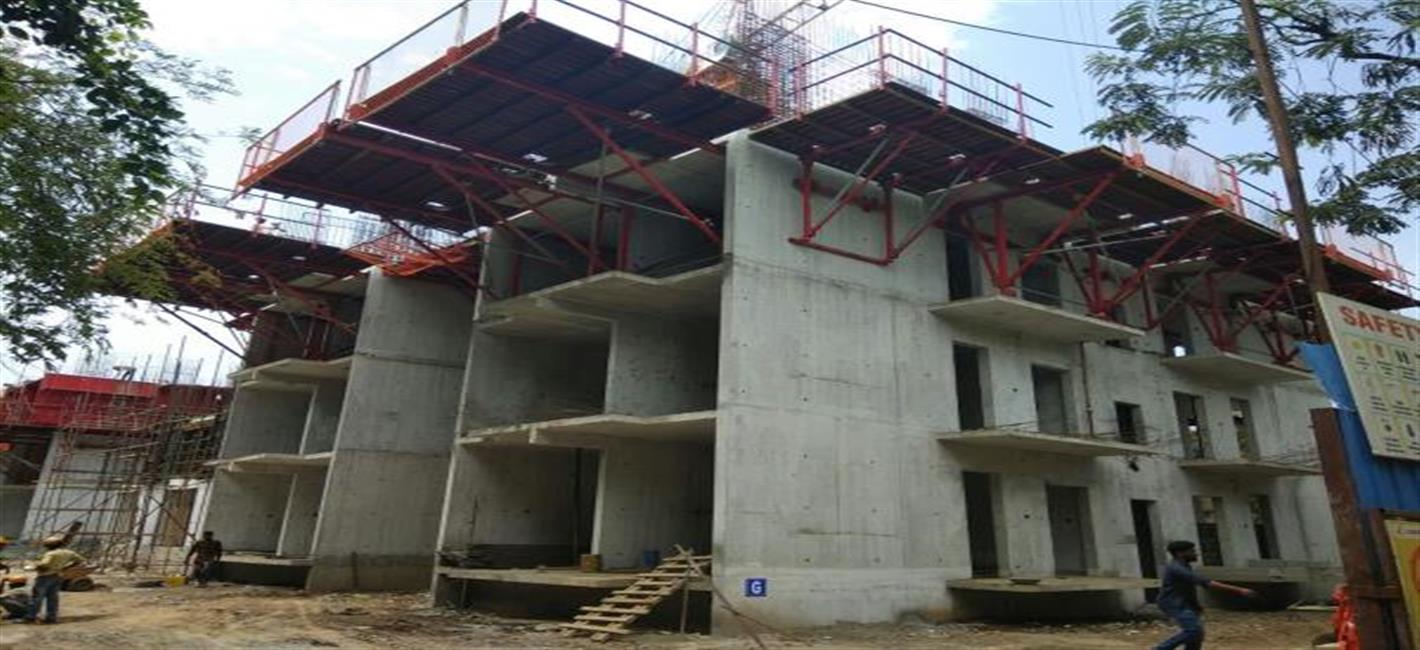
Project Name : 532 RESIDENTIAL QUARTERS FOR INCOME TAX OFFICE, ANNANAGAR, CHHENAI
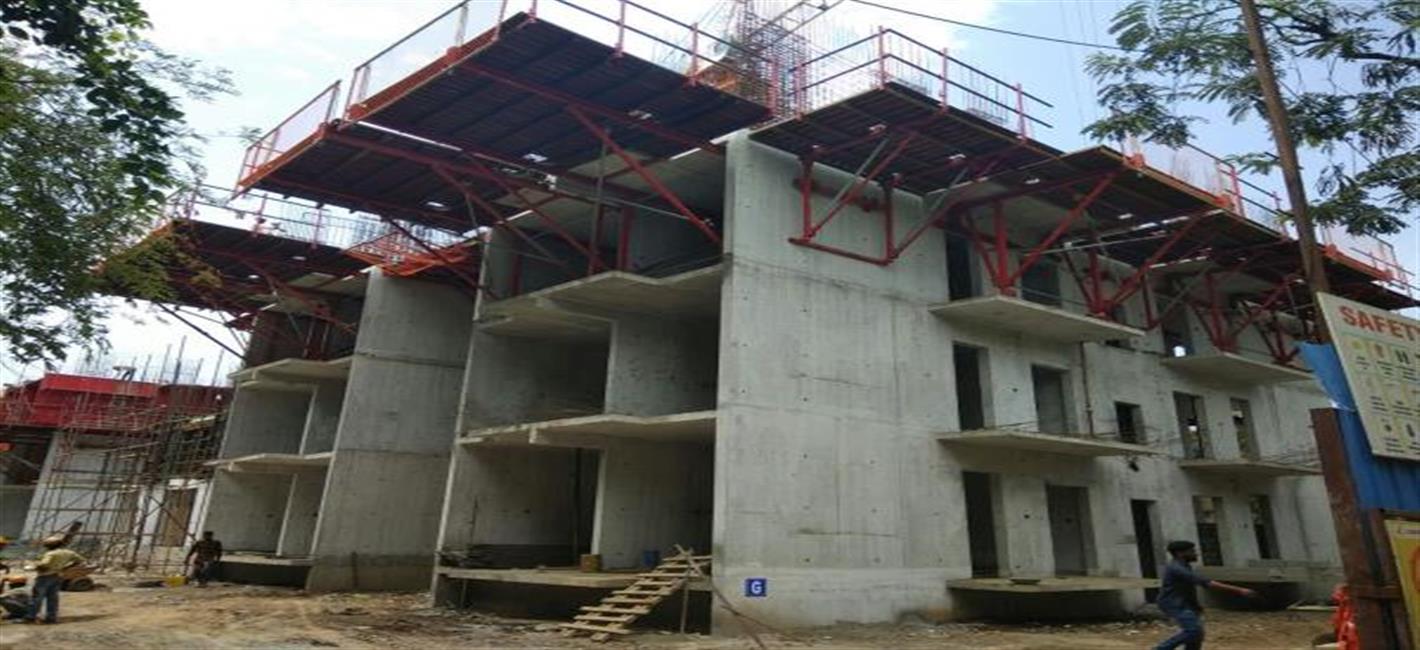
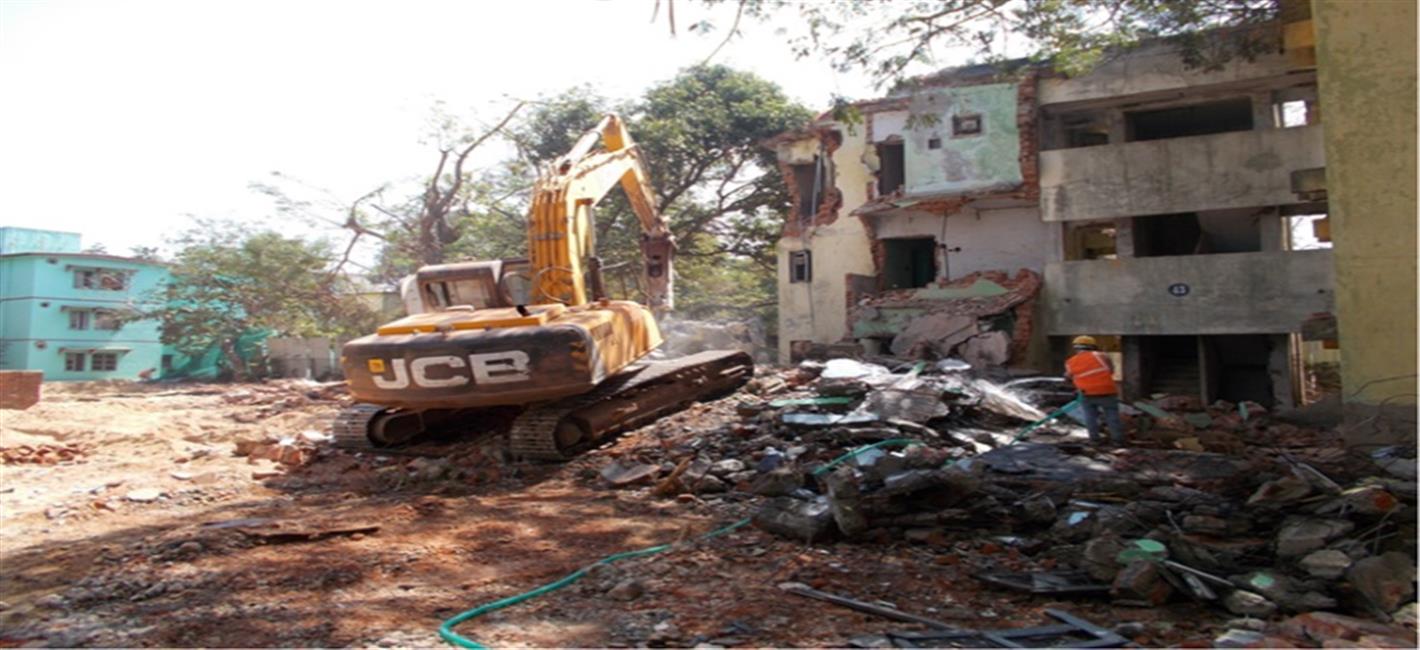
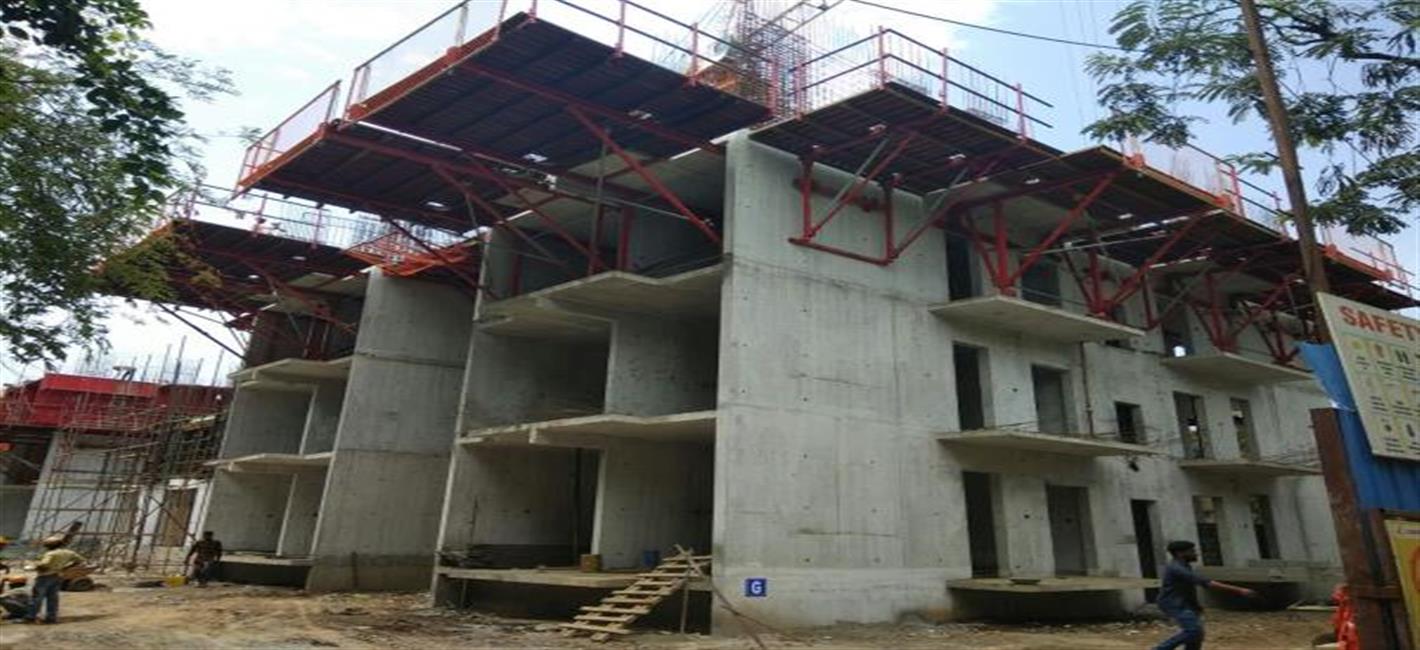
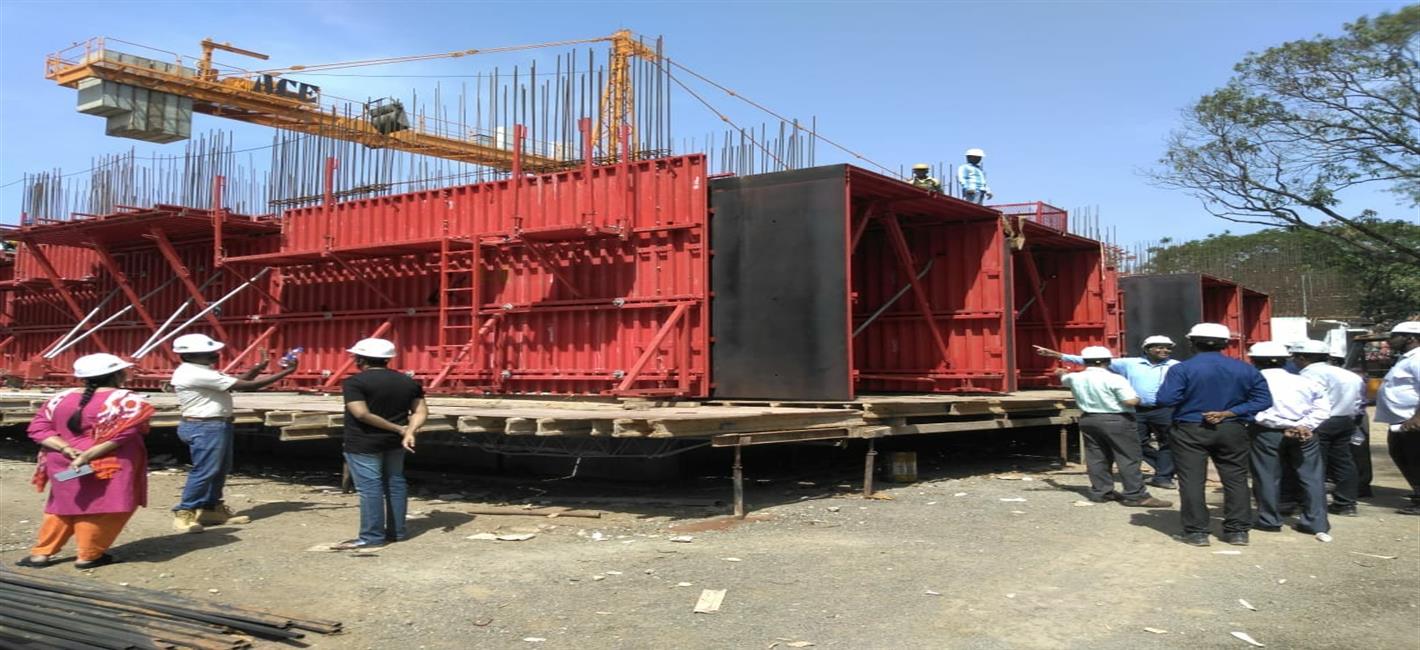
The Tunnel form work for this work was received in India from Turkey on 30.03.2018. Assembly of tunnels and trials were completed by April 2018. 1st casting was carried out on 2nd May 2018. In the month of May 2018 itself, casting of total of three floors was done thereby completing 24 Dwelling units of Type II in the 3 floors. The pace of execution has increased in June 2018 with another set of Form work being used for casting of Type-III block. Our target for June 2018 is 40 DUs – 20 each for Type II and III
20895 Lakh
Project Budget
05 Feb 2018
Start Date
09 Mar 2019
Completion Date
CHHENAI
Location
Project Team / Contact Us
| S.No. | Name(Mr/Mrs) | Designation | Office Address | Office Number | Mobile Number | Email ID |
|---|---|---|---|---|---|---|
| 1 | D.C.Goel | CE(SZ-I) | SOUTH ZONE-I, CPWD, III Floor, Rajaji Bhawan, Besant Nagar, Chennai | 04424916077 | 9971722521 | cpwdsz1@nic.in |
TECHNOLOGY
Tunnel form is widely used in the construction of cellular structures with high degree of repetition such as:
- Prisons
- Hotels
- Student Accommodation (Hostels)
- Housings
- Commercial Developments
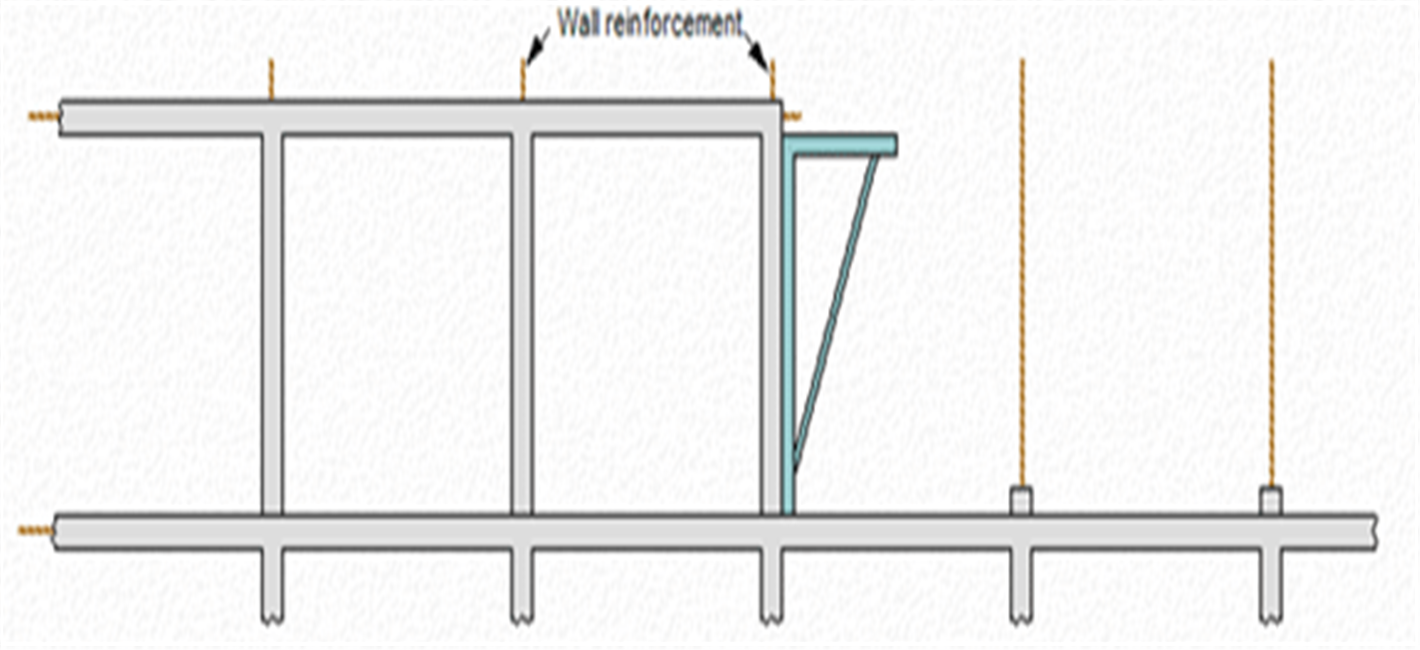
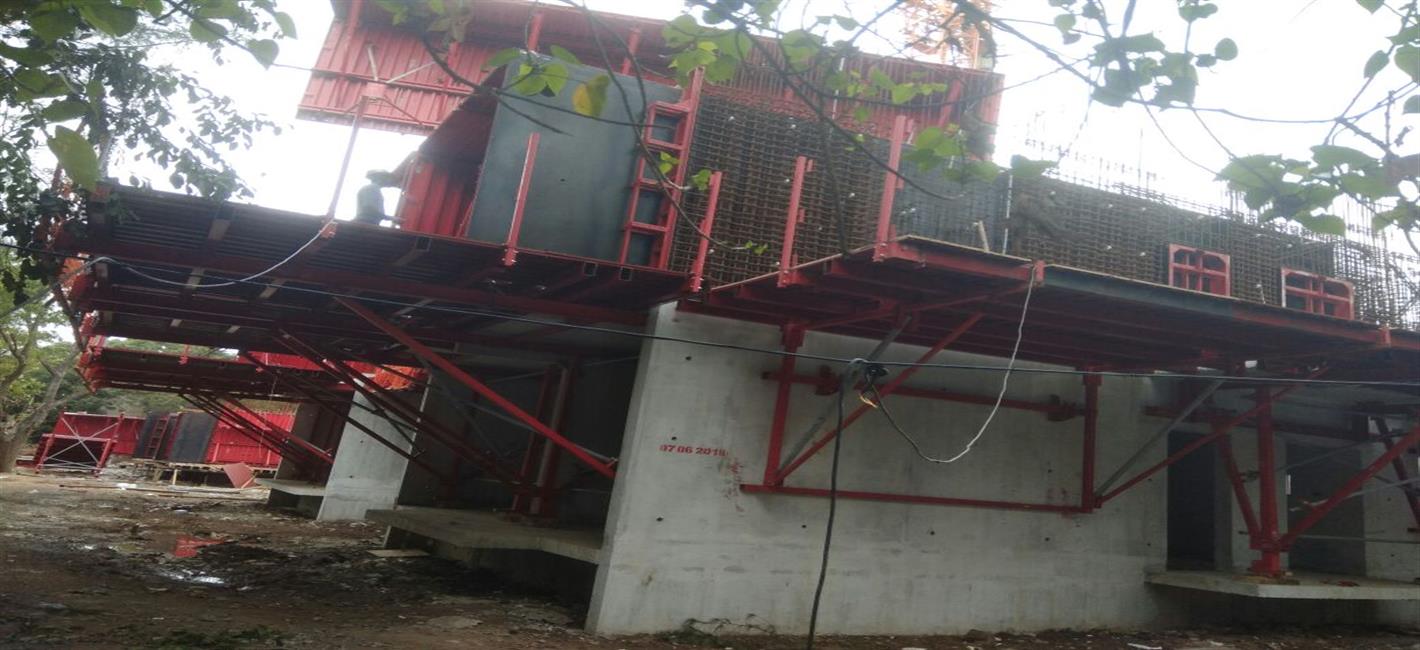
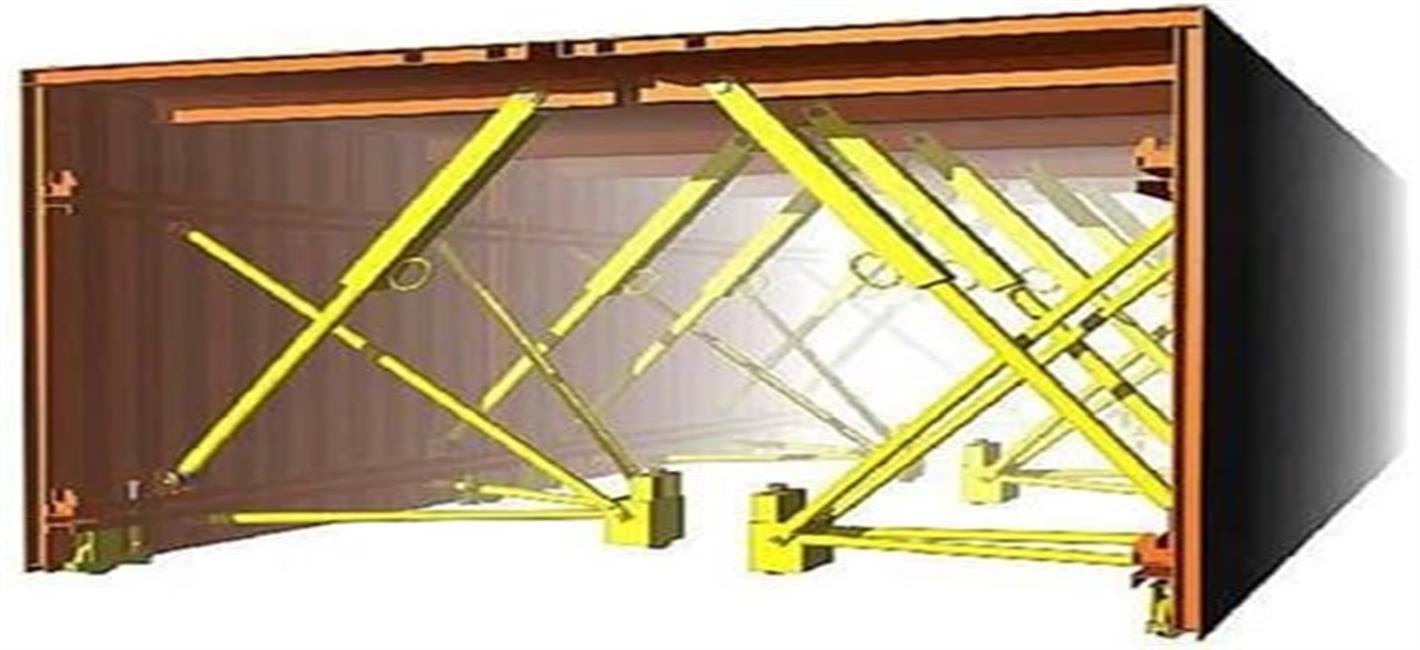
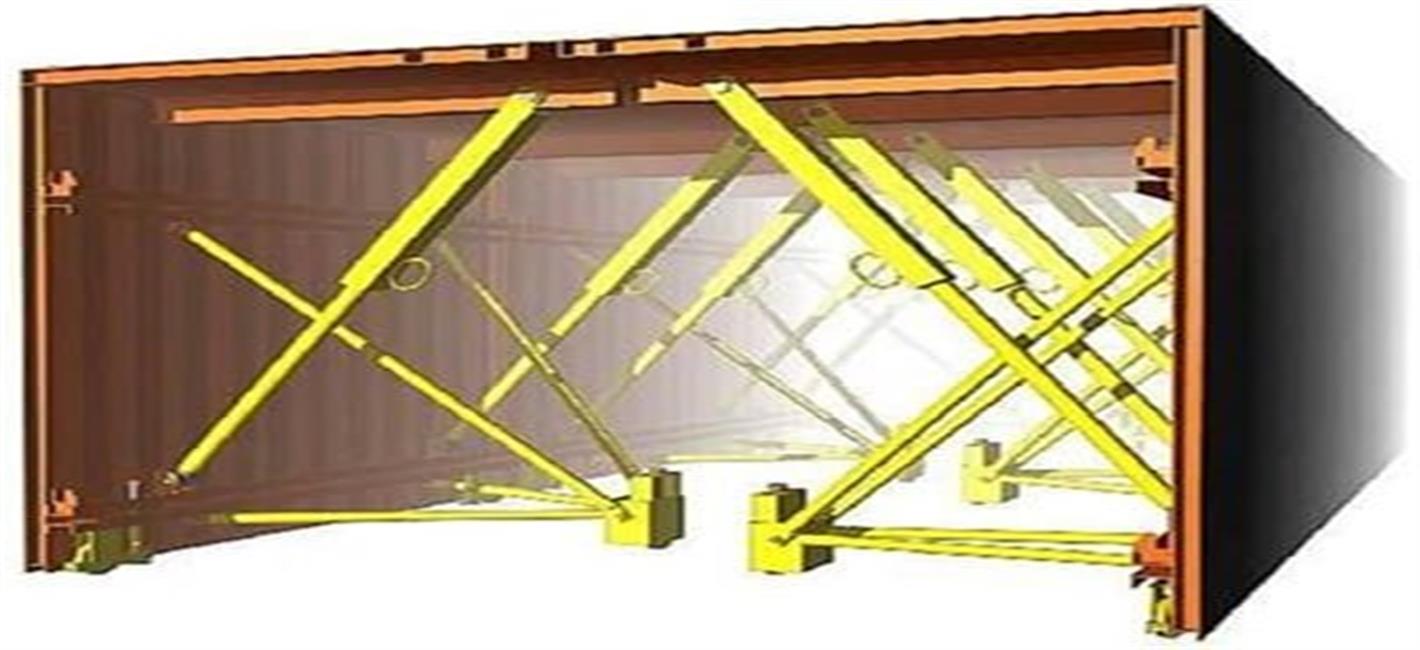
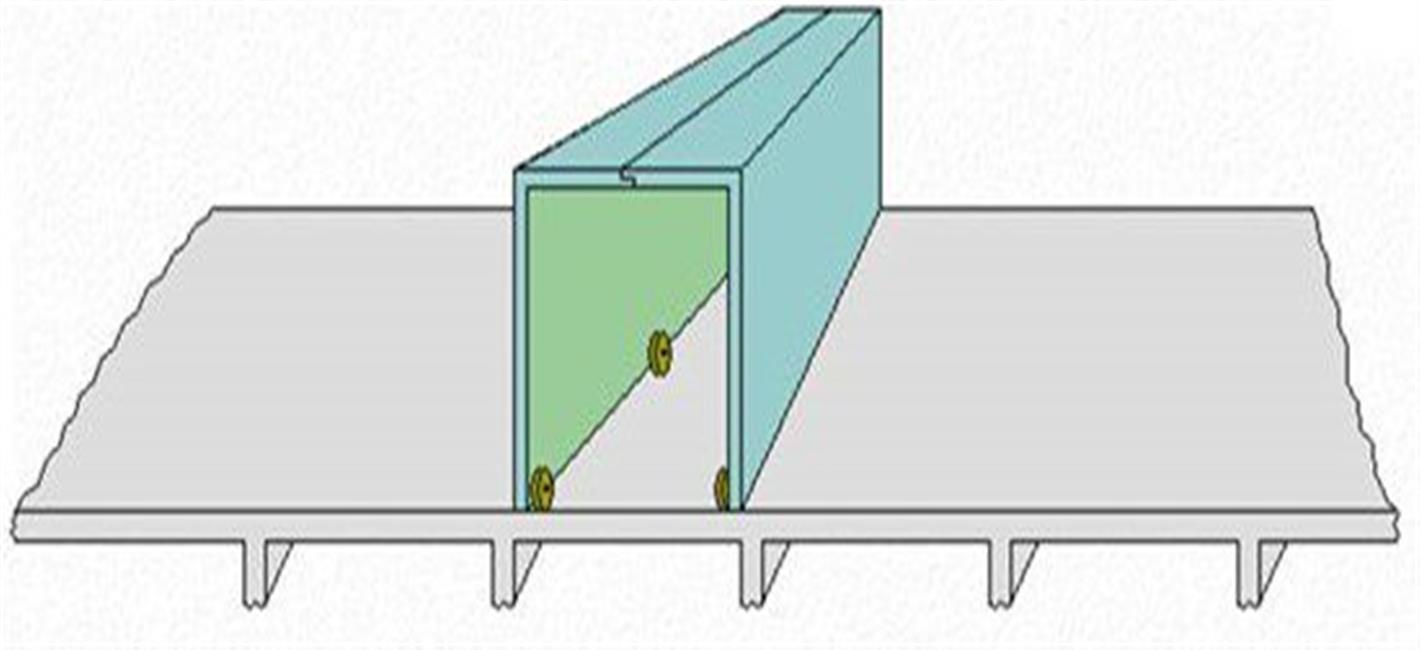
- Tunnel formwork come in half units and in the form of an inverted “L” which are bolted together at the top to form each tunnel. The inbuilt wheels and the jacks help the formwork move in and out of the position and adjusted to the final height.
- This technique is highly systematic, earthquake proven and provides an ideal solution to the critical problem of sound transmission. It gives a sound reduction of 50 decibels.
- It reduces the heating costs by providing “Thermal Mass” and speeds up the building process.
- This method of construction can achieve time savings up to 25% with cost saving 50%. Hence this method of construction is very versatile and extremely economical.
Mission - "One Flat A Day."
Implementation Strategy
| S.No. | Description | Images | ||||||
|---|---|---|---|---|---|---|---|---|
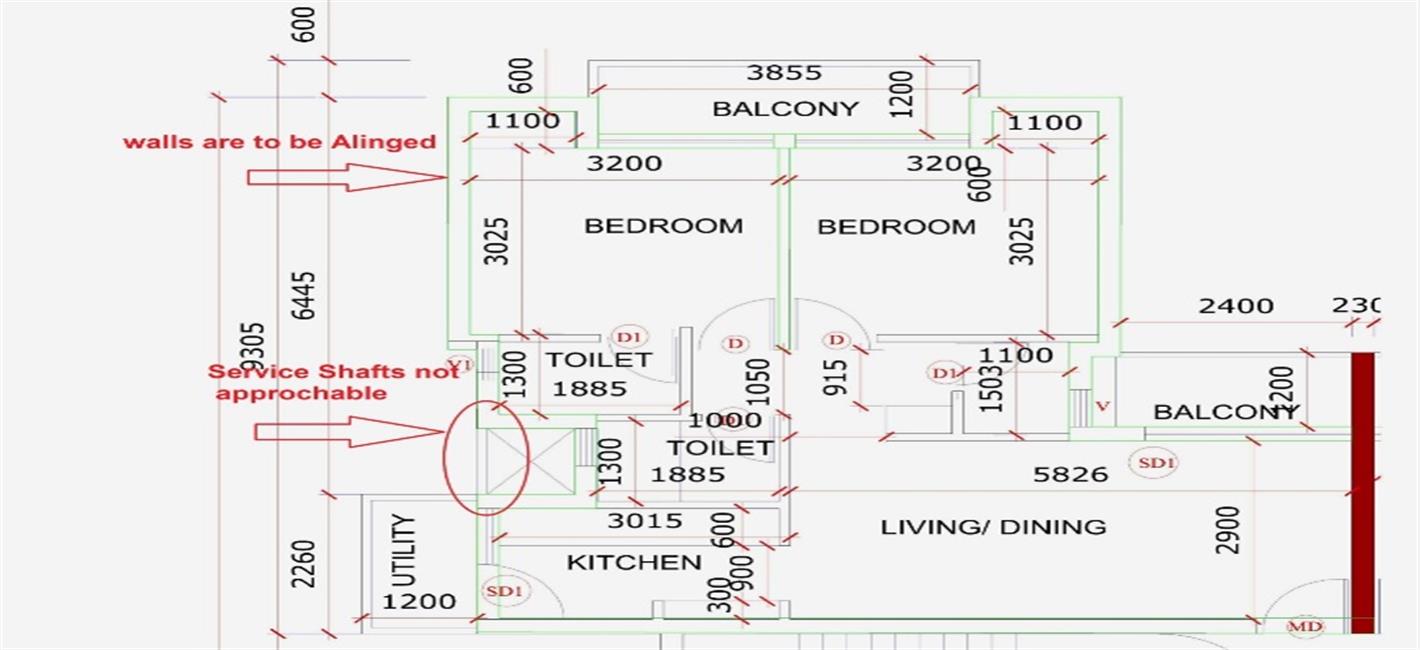
| 1 | ARCHITECTURAL i) Due to high cost of customized form work, it was essential to allow sufficient numbers of repetition, slight modifications in architectural drawings were carried out to achieve symmetry. ii) Wall projections minimized to facilitate removal of tunnels after stripping. iii) Doors, windows and other opening were finalized beforehand as they had to be provided in the fabrication of the form work. iv) Sun shades were avoided. v) Building orientation done in a manner (Shorter length in E&W) to achieve thermal comfort. vi) Clearstory windows are oriented in N & S directions to Get North light and air circulation without direct sun light. |
|
||||||
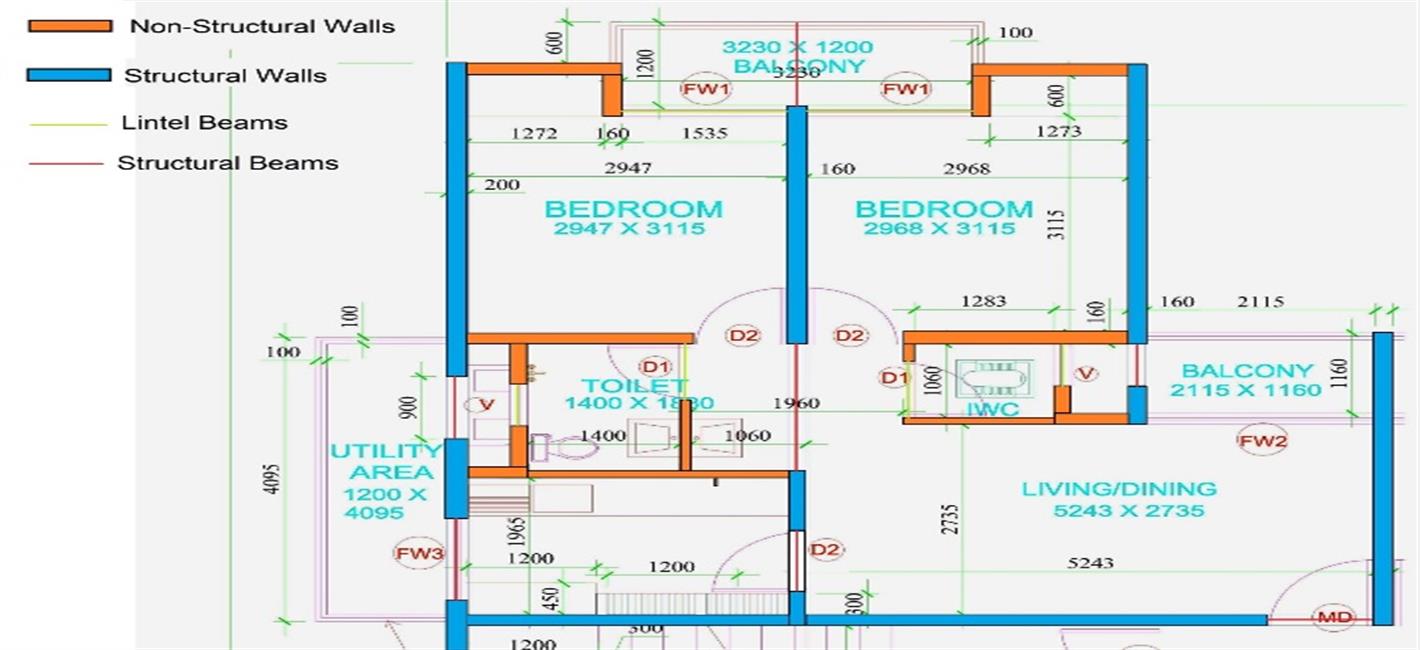
| 2 | STRUCTURAL i) This posed challenges in seismic design. ii) Many iterations were carried out to satisfy design requirements.
|
|
||||||
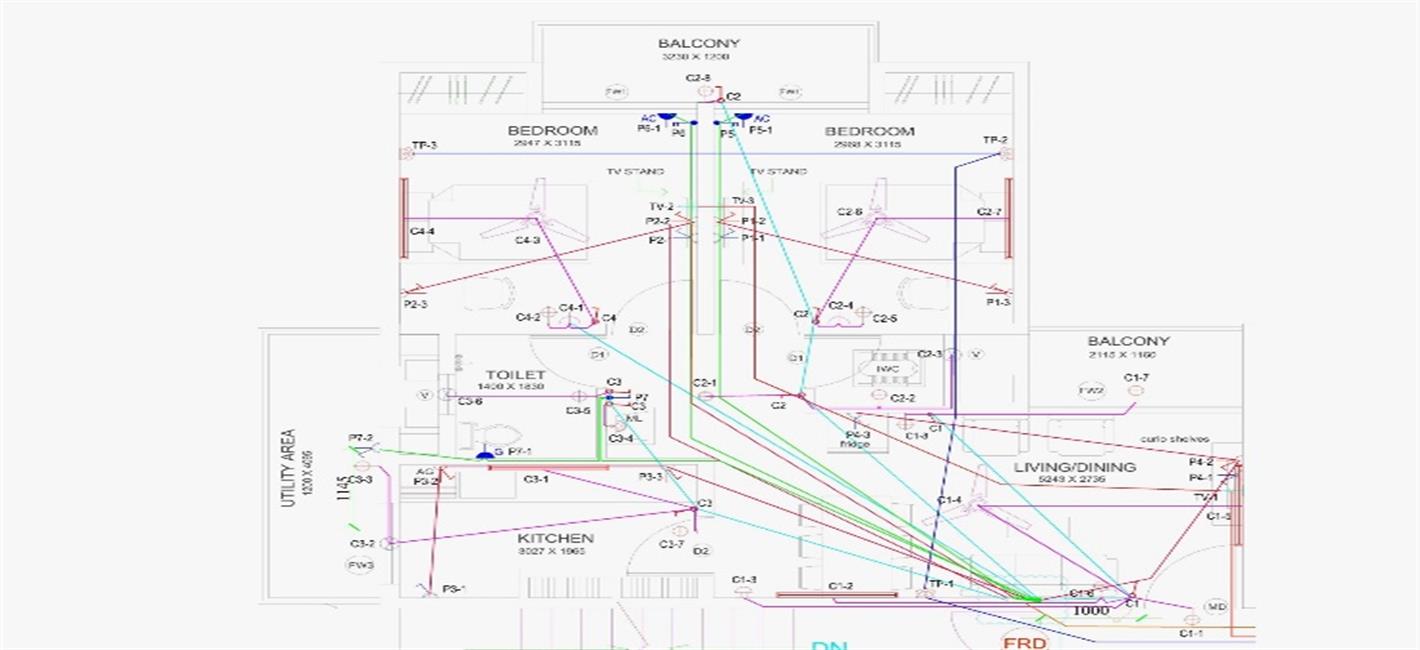
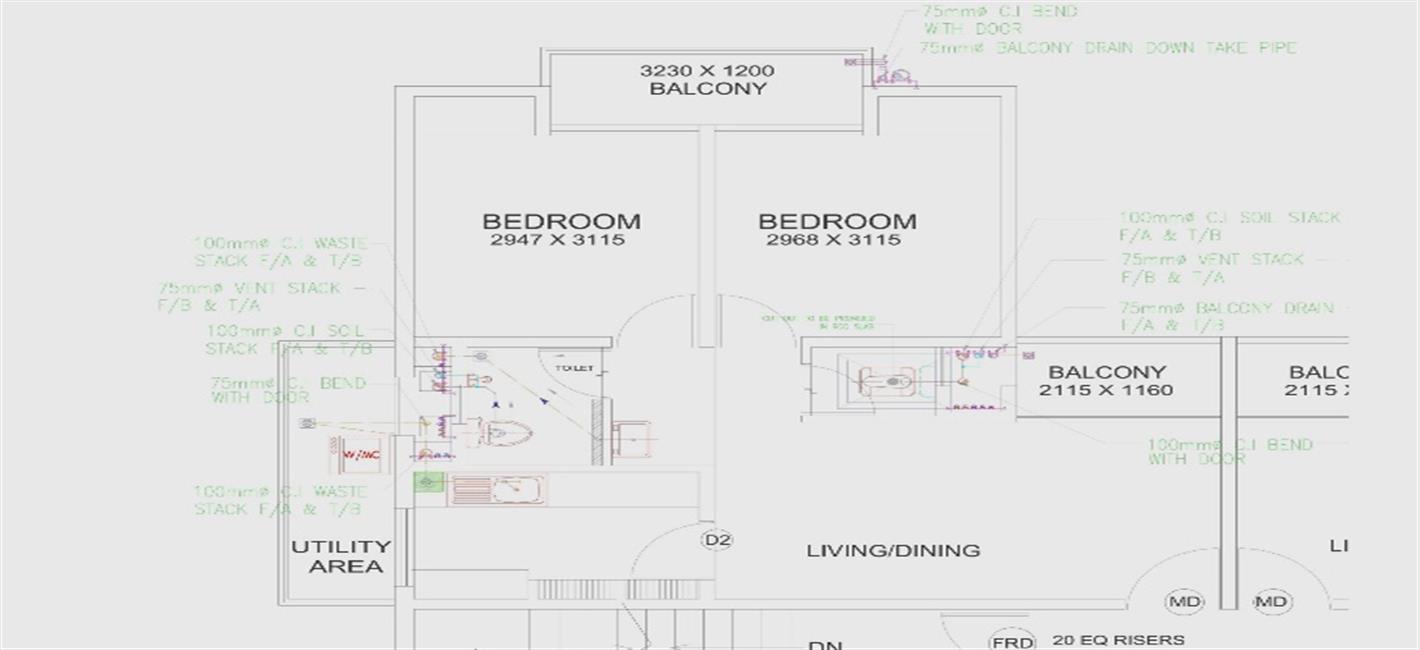
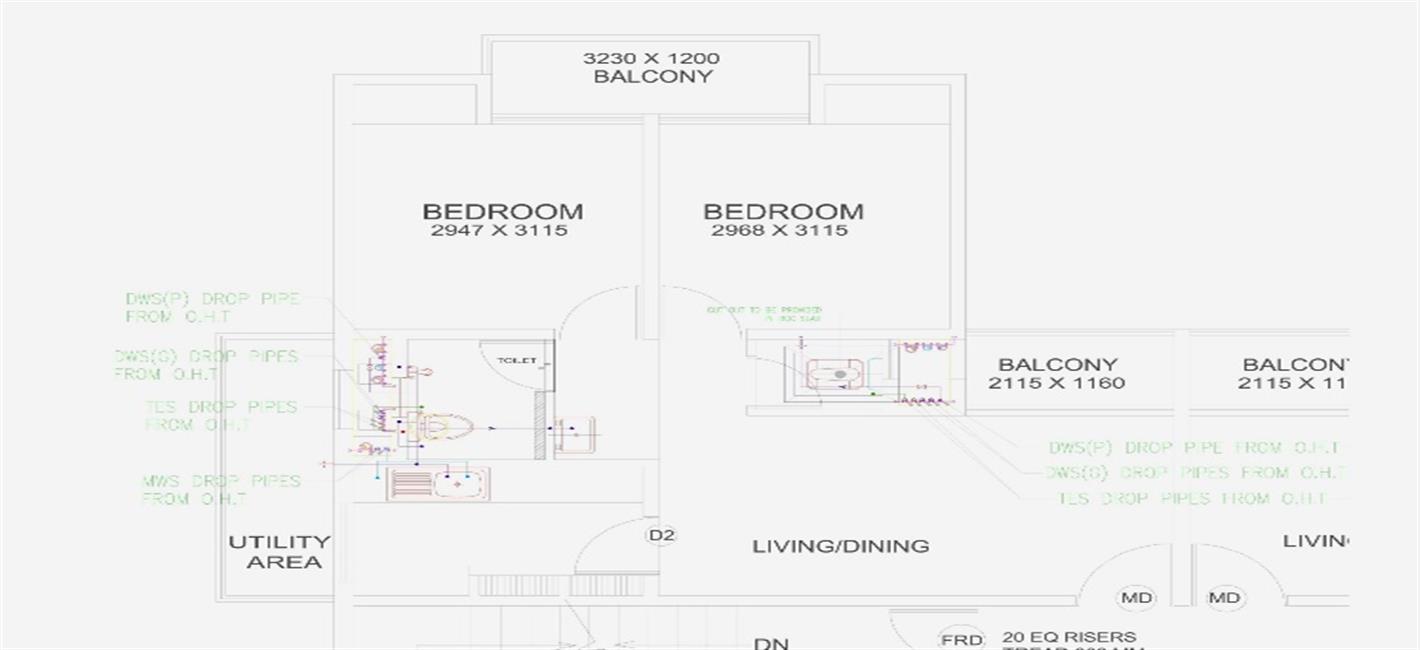
| 3 | SERVICES(MEP) i) All services have to be designed beforehand as it would not be possible to create openings in future. ii) All services i/c Rain water Pipes can be accessed from floor. iii) Necessary pre planning of future provision of Electrical appliances are taken care. |
|
||||||
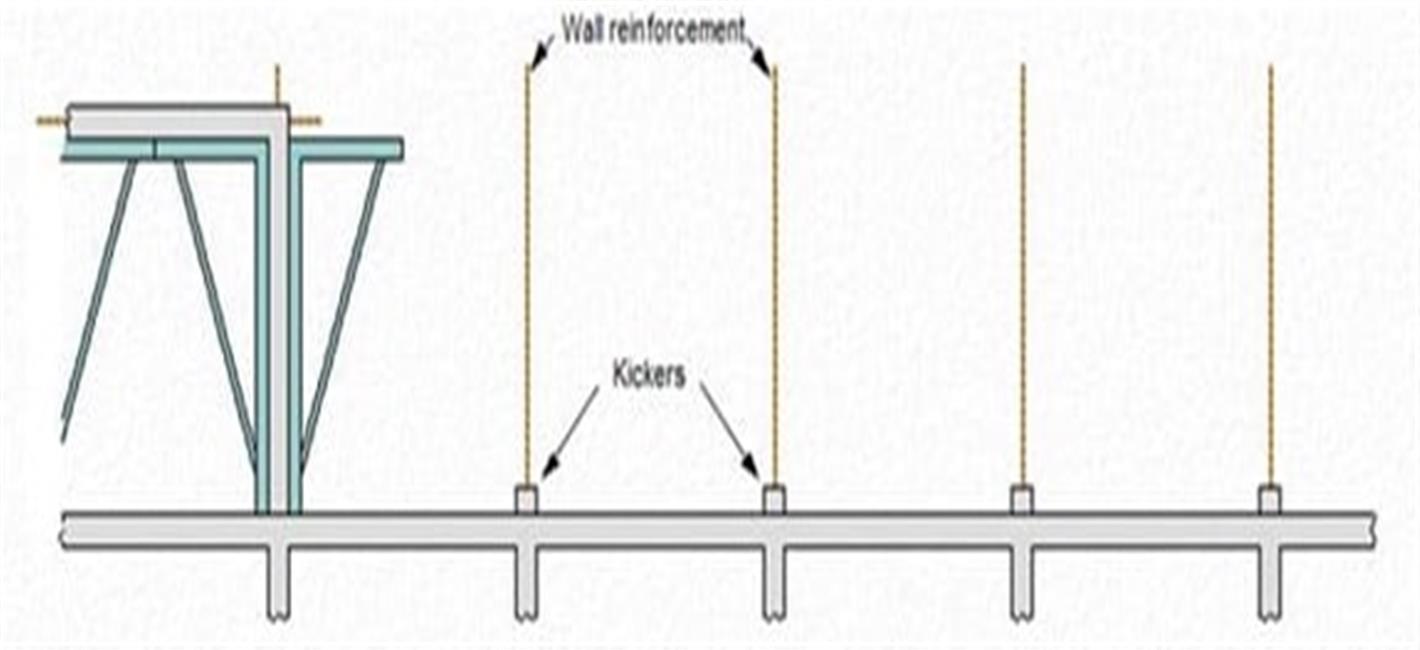
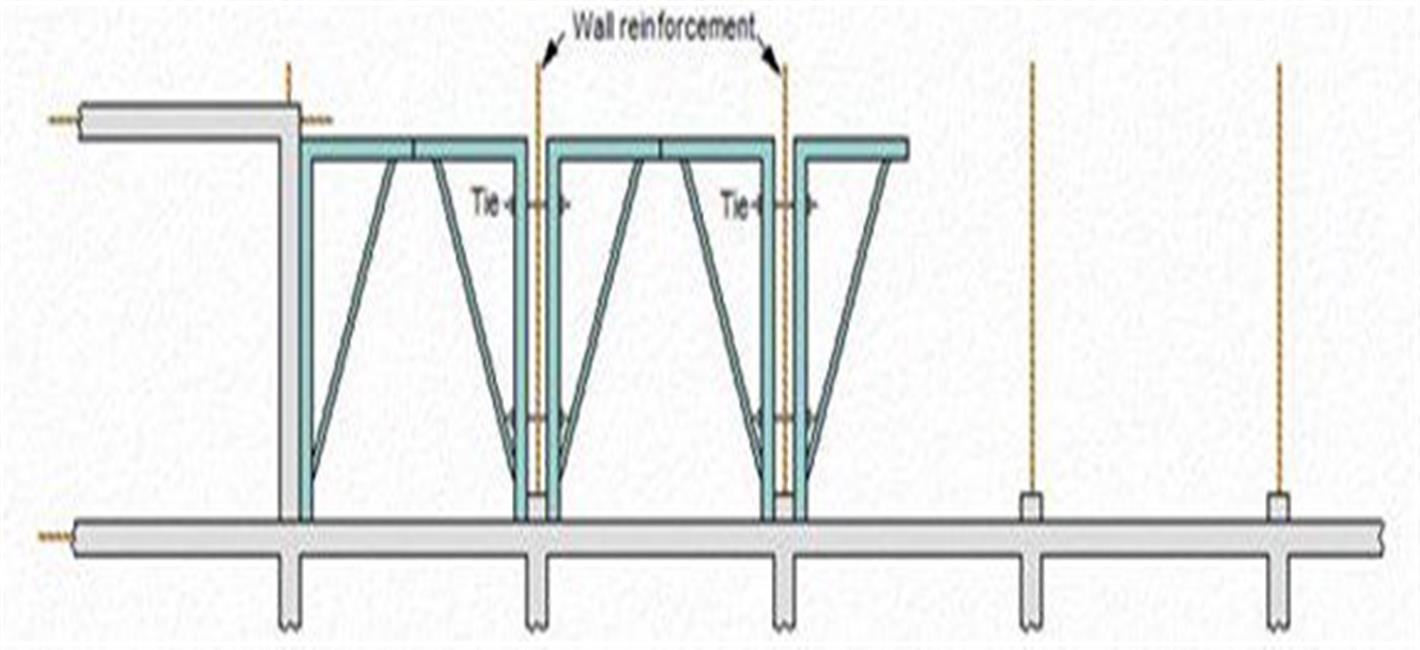
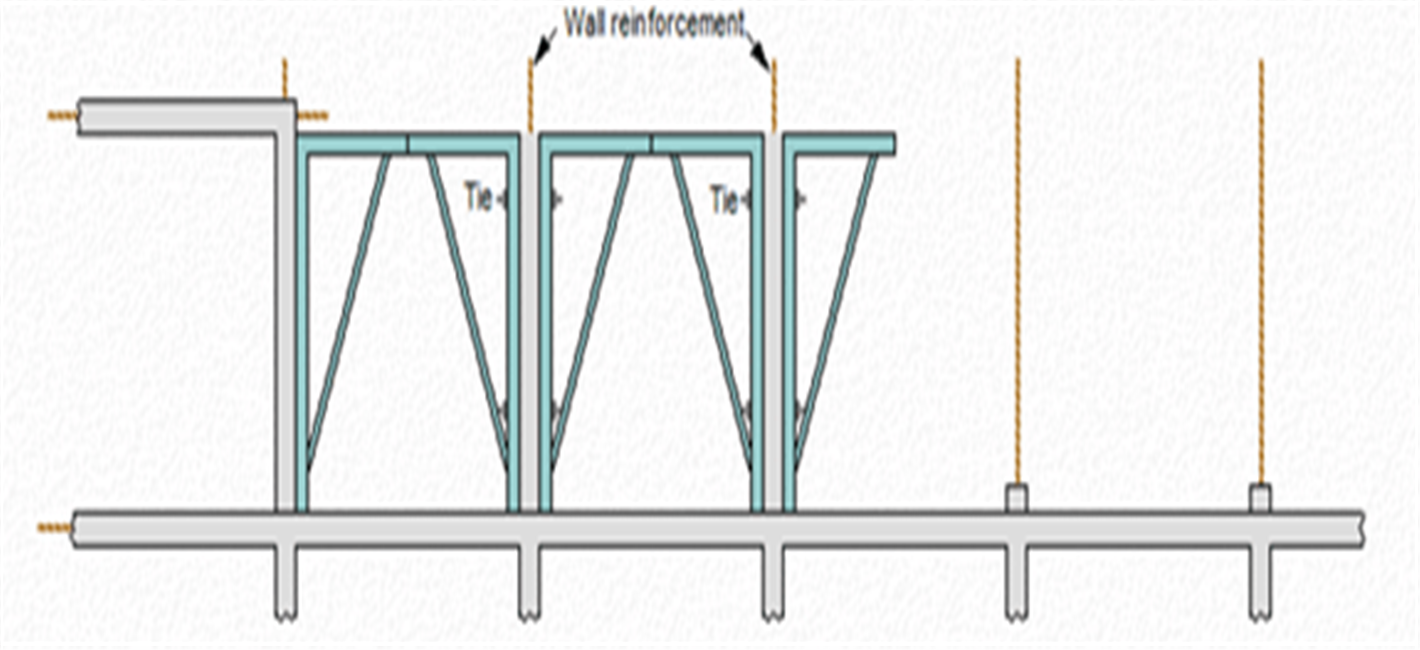
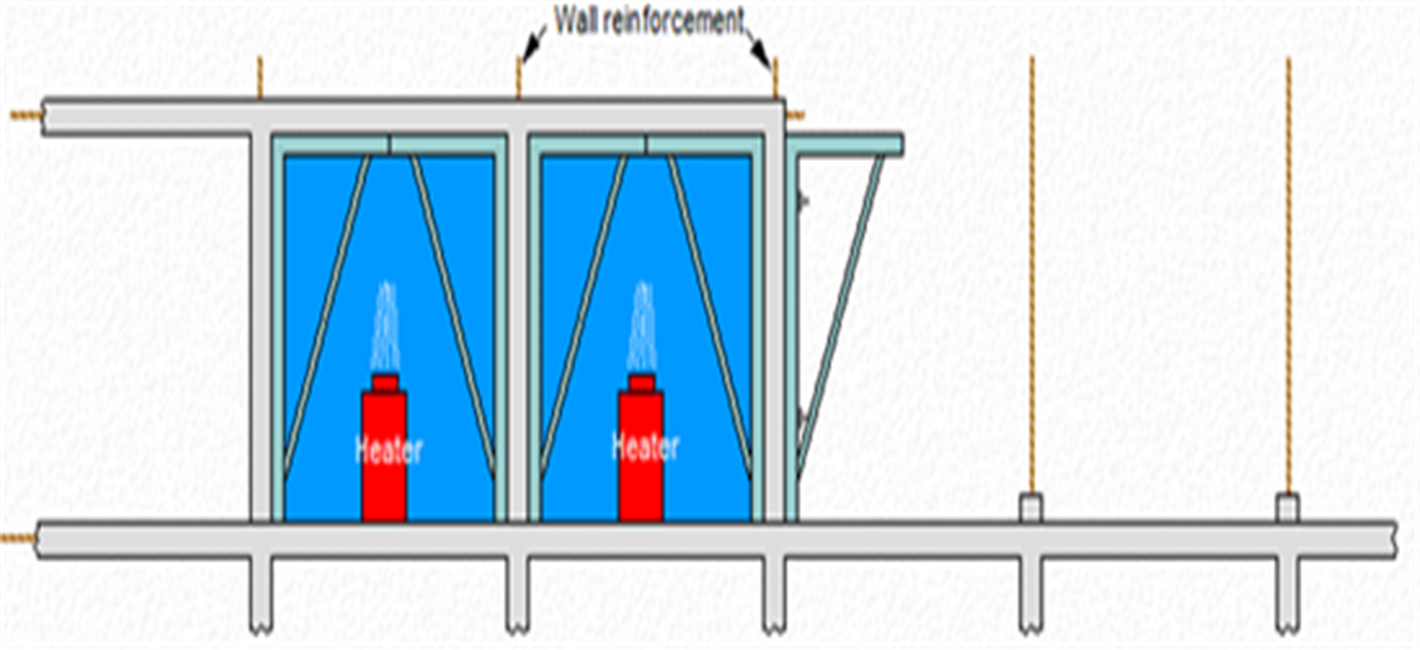
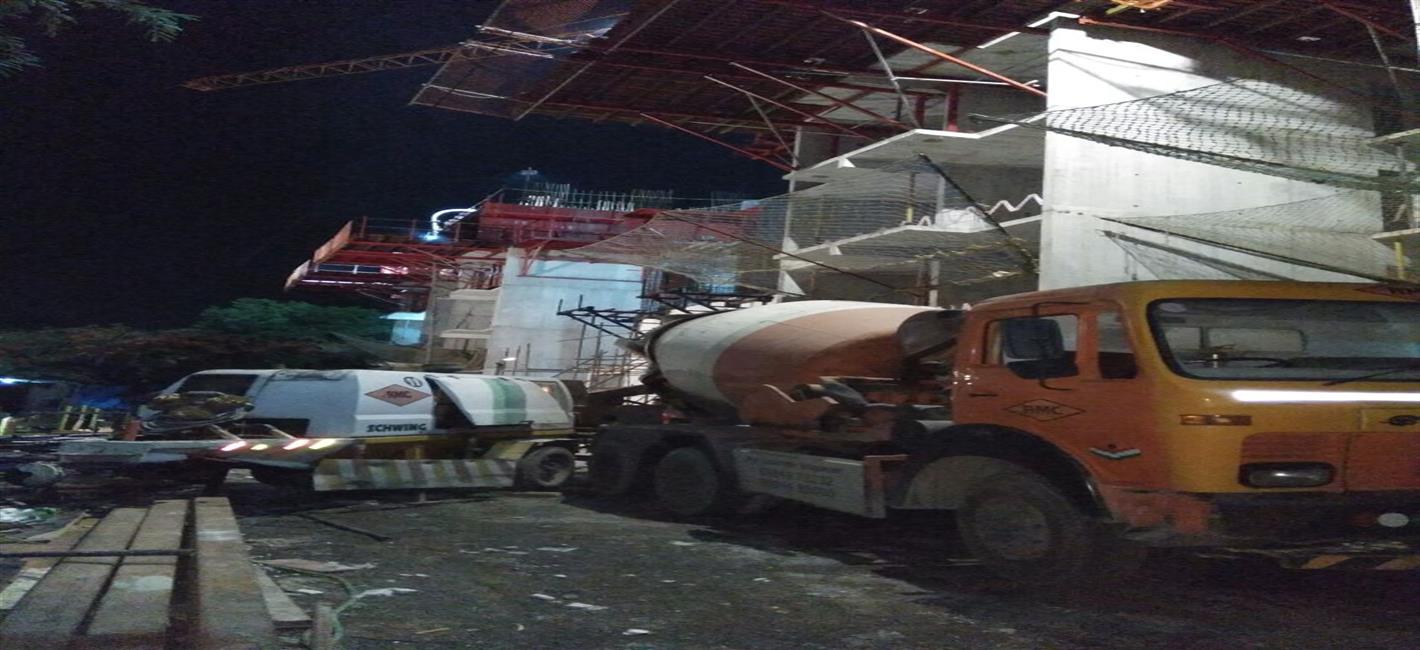
| 4 | Tunnel Formwork - Casting Process i) Stage One - Prefabricated Wall reinforcement is placed by crane along the entire wing prior to casting the kickers (used to position wall formwork). Pipes for services are load along with. ii) Stage Two - Two and a half tunnel is craned into place, bolted together and ties are added. iii) Stage Three - The wall concrete is poured. v) Stage Five - The slab concrete is placed. The formwork system provides for a pour to be wrapped in tarpaulins and for the use of butane heaters to maintain a sufficiently high temperature for the concrete to reach its striking strength overnight. vi) Stage Six - The tunnel-forms are removed next day. vii) Stage Seven - The process is repeated for the next two bays.
|
|