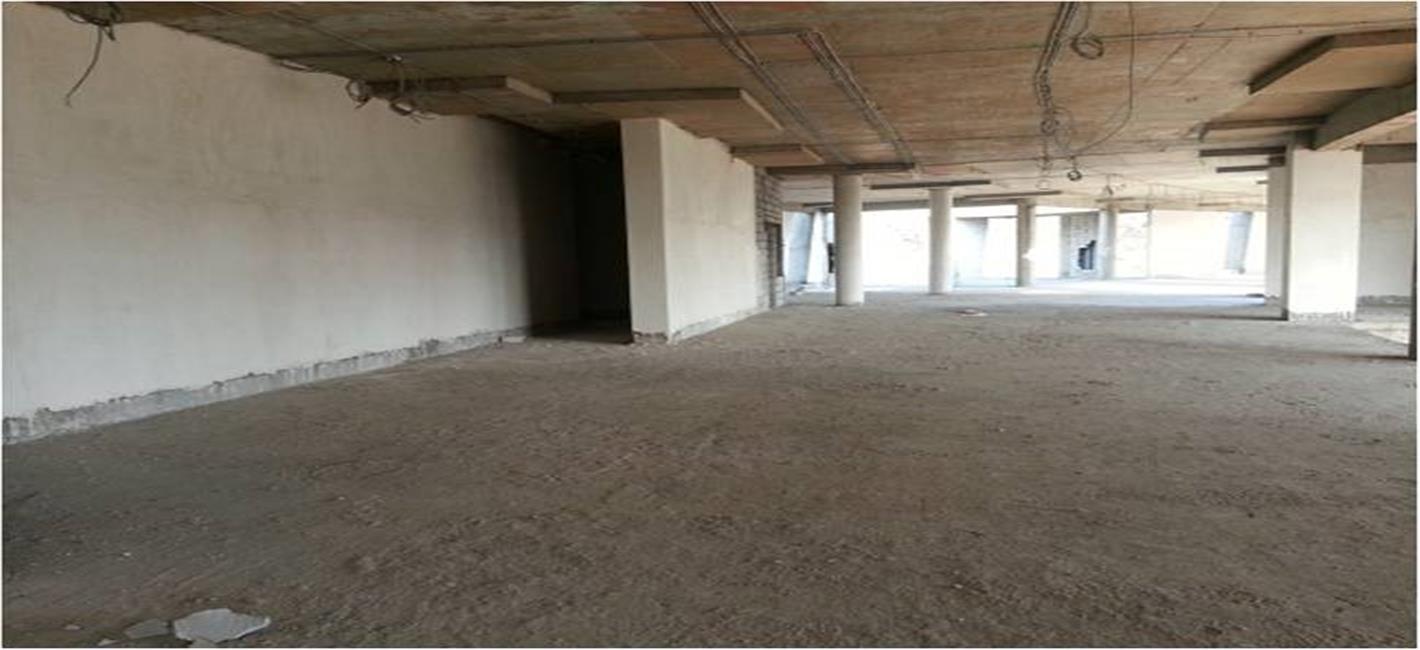
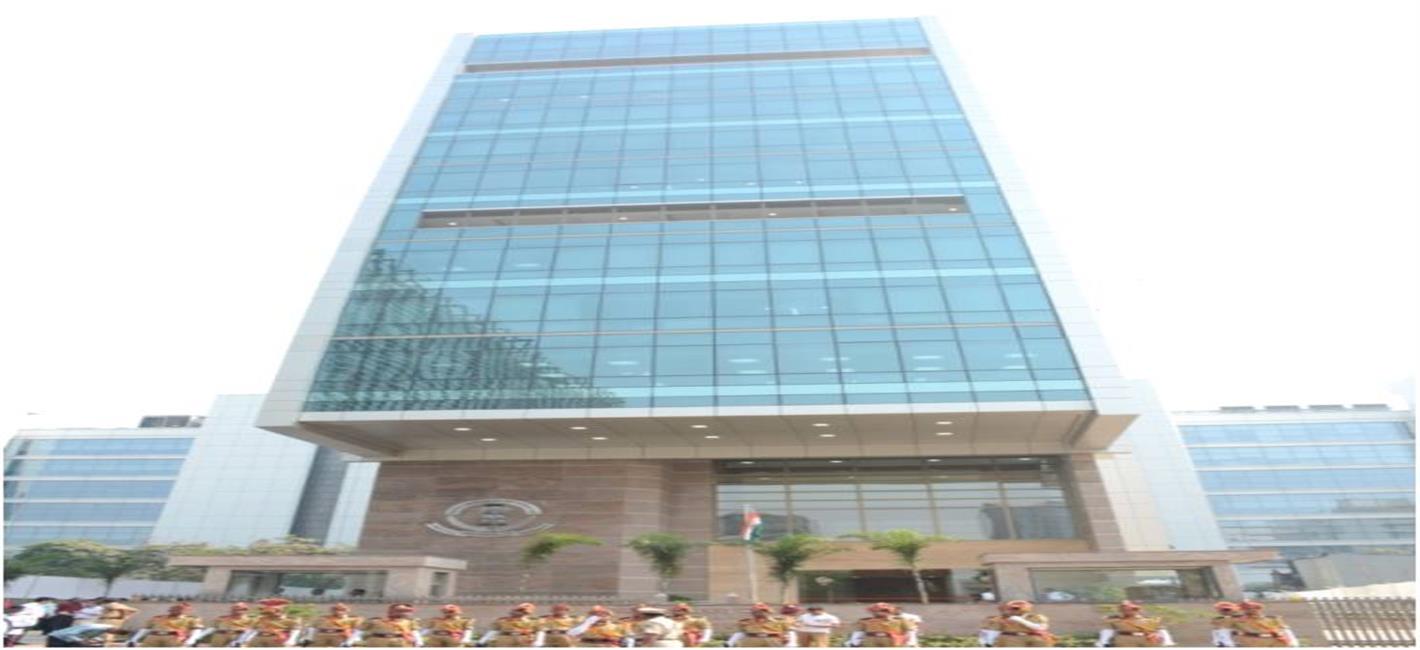
CBI office building and Academic Blocks in NISM Mumbai, Mumbai - Technology
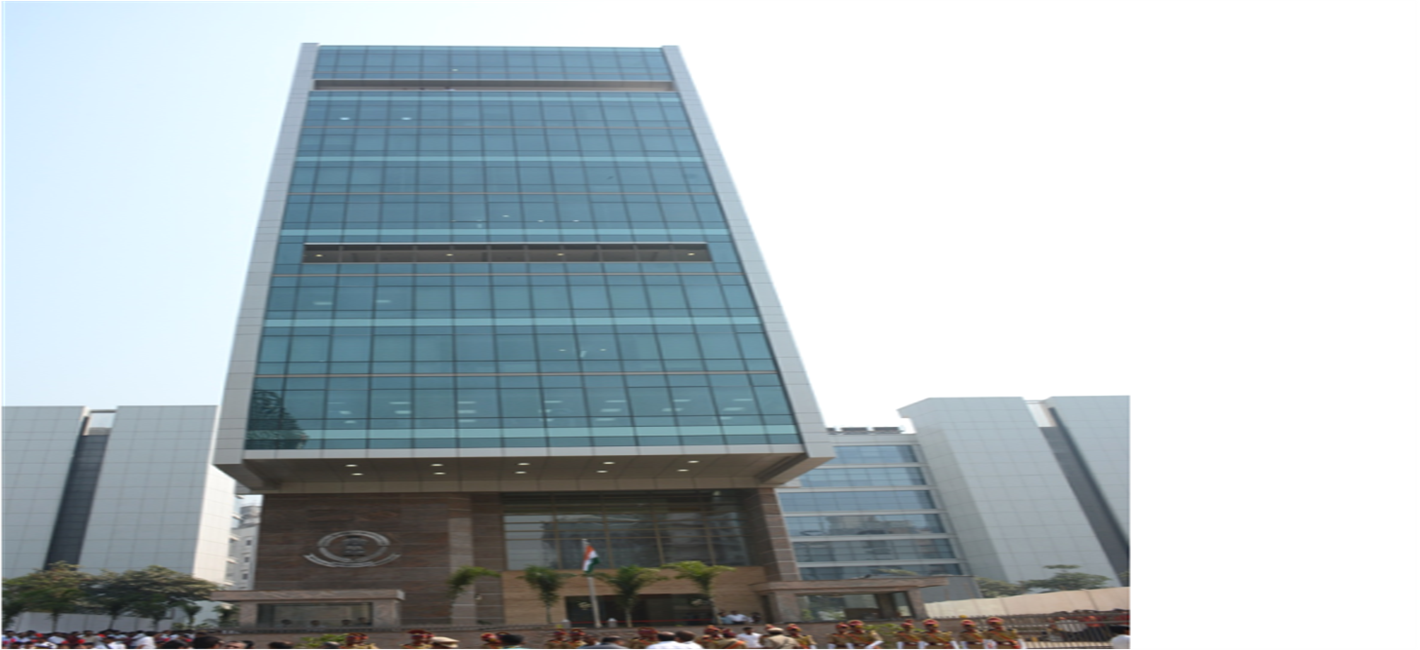
Project Name : CBI office building and Academic Blocks in NISM Mumbai, Mumbai
Pre-stressed construction technology has been widely used in the bridges but is gaining popularity in multi-storeyed buildings particularly having large spans and to gain more headroom. Also, pre-stressed construction technology helps in preventing corrosion and produce faster and quality construction. Due to adoption of such construction technology, more units can be planned within same height for reduction in cost per unit of floor area.
10319 Lakh
Project Budget
19 May 2011
Start Date
15 Mar 2016
Completion Date
Mumbai
Location
Project Team / Contact Us
| S.No. | Name(Mr/Mrs) | Designation | Office Address | Office Number | Mobile Number | Email ID |
|---|---|---|---|---|---|---|
| 1 | Dr K M Soni | CE | CE (WZ-I) Mumbai | 02222059123 | 7588517958 | dr.kmsoni@gmail.com |
TECHNOLOGY
Multi-storeyed construction is not now by choice but a necessity due to scarcity and high cost of land. Large module and span are now preferred particularly in office and commercial buildings due to economy in construction. It is also desired that more units can be accommodated in same height of the building to minimise the cost per unit area of constructed space.
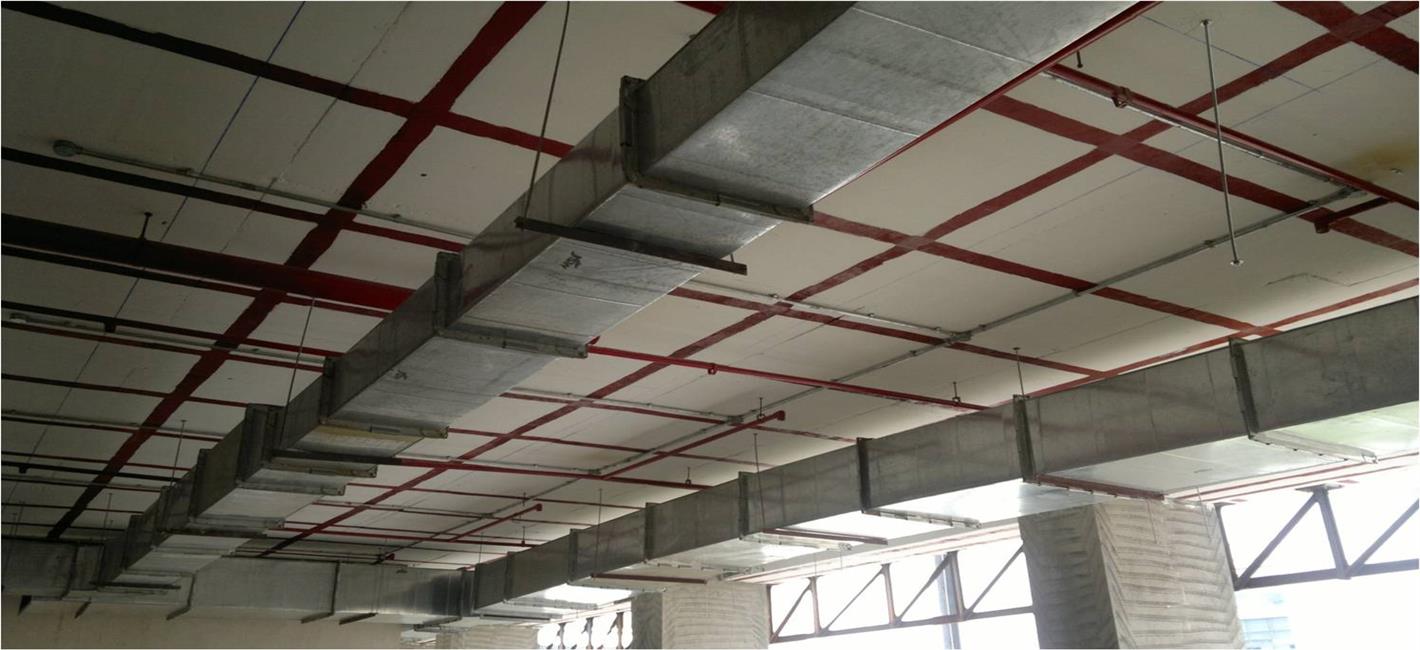
In the offices, commercial and institutional buildings, centralised air-conditioning is also required due to temperature shooting up during summer in most parts of the country. Therefore, architects and engineers have to adopt a technology by which size of air-conditioning duct is minimised and beams are either eliminated or their sizes get reduced. Even in case of residential buildings if beams are eliminated, higher headroom can be achieved and within the same height, more number of storeys can be planned thereby reducing the cost of a unit.
Post tensioned construction technology offers the advantage of elimination or reduction in sizes of beams and slabs hence, in future such technology is going to replace traditional RCC construction in India.
Material saving
- Reduction in concrete due to thinner concrete members.
- Reduction in rebar in floor elements.
- Reduction in dead load resulting into saving in concrete and reinforcement of structural members including foundation.
- Saving in building cladding, vertical mechanical/service elements, rebar and concrete in shear walls and other materials due to lesser sizes.
Faster construction
- Potential pour cycle of 3-4 days.
- Reduced re-shoring.
- Better coordination with embeds and MEP openings.
Increased performance
- Improved seismic behavior.
- Reduced deflection and vibration.
- Improved crack control and water proofing properties, especially beneficial for parking garages and balconies.
- Longer spans and fewer columns giving greater flexibility in floor layouts in office/residential buildings and better lighting in parking garages which enhances personal safety.
Reduced lifetime cost
- Lower maintenance and lifecycle cost.
- Reduced building height resulting to higher headroom and energy savings.
- Potential to conform to green building norms.
Pre-stressed concrete design is more suitable for long span structures and those carrying heavy loads. Pre-stressed structures are slender and thus yield to more clearance. They do not crack under working loads and dead loads, and the deflection is reduced due to cambering effect of pre-stress.
Implementation Strategy
| S.No. | Description | Images | |
|---|---|---|---|
| 1 | In CBI office building, the pre-stressing strands having seven wires were used in pre-stressing tendons conforming to ASTM 416/90 specifications. 7 wires (super type of strands) had 15.24 mm nominal diameter and 140 sq mm steel area with ultimate tensile strength of 260.7 kN and modulus of elasticity as 195 kN/sq mm. Strand diameter at anchorage relaxation was 6 mm. Sheathing used was suitable for the pre-stressing system and strong enough to withstand the placement and compaction of the concrete without suffering damages or deformation. The sheathing and all splices were mortar-tight having friction factor as 0.21 and Wobble factor as 0.001 rod/m. Anchorage device was capable of transmitting a force not less than the ultimate tensile strength of the tendon without overstressing the concrete. Cubes of nominal size 150 mm were cast for the purpose of determining the concrete strength at transfer. These Cubes were stored under the similar conditions as the concrete they represented. Post-tensioning was carried out after concrete attained a strength of 25 N/mm2. Grout for filling pre-stressing ducts composed of cement, water and additive to reduce shrinkage and bleeding was used. The grout was injected into each duct. Continuous steady flow of grout was maintained until the duct got completely filled by pouring from all vents and from the far end until all entrapped water and air got expelled. The vents were thereafter closed as required to ensure complete filling of the duct. Casting procedure Before casting, the contractor was asked to submit the design and shop drawings for the pre-stressing system. The design was based on Presscrete Post-Tensioning System (PPS). Concrete in one member panel was placed in one operation. Bottom reinforcement was laid as per the design/drawing after the formwork was ready. The cover was maintained as per specifications. Bursting steel for slab casting was laid before the ducts were joined for the casting. Galvanised flat duct was laid and strands inserted into the flat ducts according to the drawings. Bar chairs were placed and profile adjusted as per design. Grout vent with hose was fixed at both ends of the tendons and at the mid spans of the tendons for tendons exceeding 25 m length. Concreting Care was taken that the pre-stressing tendons do not get displaced or damaged prior to casting and during casting. It was also ensured that discharge of concrete was not directed onto the pre-stressing tendons. Vibrating was avoided from coming into contact with the pre-stressing tendons. Proper compaction of the concrete in anchorage areas was ensured due to high local stresses in these areas and care taken that all the grout hoses remain exposed and protruding from the concrete surface. Stressing After concreting, the carpenter removed the vertical sides of end form work. All the stressing recesses were cleared and pre-stressing barrels and wedges fixed to all pre-stressing casting. When concrete reached the transfer strength as per the shop drawings and confirmed from the results of cube tests, stressing of cables was carried out. All cables were tensioned to the required jacking force and monitored through the pressure gauges. Grouting Excess cable length was cut after the stressing and pre-stressing tendons flushed with clean water. Grout was mixed according to the design mix for at least two minutes until a colloidal consistency produced. The water was put into the container first and then cement slowly added. When the cement and water got thoroughly mixed, the non-shrink additives were added to the mix. The grout then was injected into the pre-stressing tendons. Grouting was carried out at one end of the duct until clear grout flowed out from the other end. The grout hose at the both end was then sealed. Grouting works were commenced when all scaffolds at a particular storey where grouting works were to be carried out, were removed. Post tensioning Bonded post tensioning system was used in the present case. The tendons were laid in sheathing. Casting was done by keeping one end fixed called dead end. After casting when concrete attained desired strength, stressing was done. The tendons were laid in the slab according to the profiles before pouring the concrete. After the strands got locked within the anchorage by the wedge, they were individually stressed with hydraulic jacks. The ducts were then filled with cement based grout for bonding the strands to the concrete through the duct all along the length of the tendon. Since the cables/tendons in the slab are stretched to high tensile strength, it is extremely important that the slab is not drilled, cut, chiselled or disturb in a way so as to expose the tendons. |
|

Lessons Learnt / Take Aways
| S.No. | Description | Images | ||
|---|---|---|---|---|
| 1 |
1.Pre-stressed concrete is economical in certain cases when same unit is repeated many times, under heavy loading of structures, and long spans. 2.Pre-stressed members are likely to be less prone to corrosion and as such better suited in coastal areas and in the places where atmospheric conditions are adverse. 3.Pre-stressed members cannot be drilled during their service life else are likely to get damaged which may cause failure of the structure. 4.In India, the post-tensioning is a specialised job and is done by few agencies expert in post-tensioning system. Due to involvement of specialised agencies, the specifications are followed as per the design standards and quality maintained during all the operations. Due to better quality control, members with very low porosity are produced thereby having longer service life than conventional RCC members. |
|